
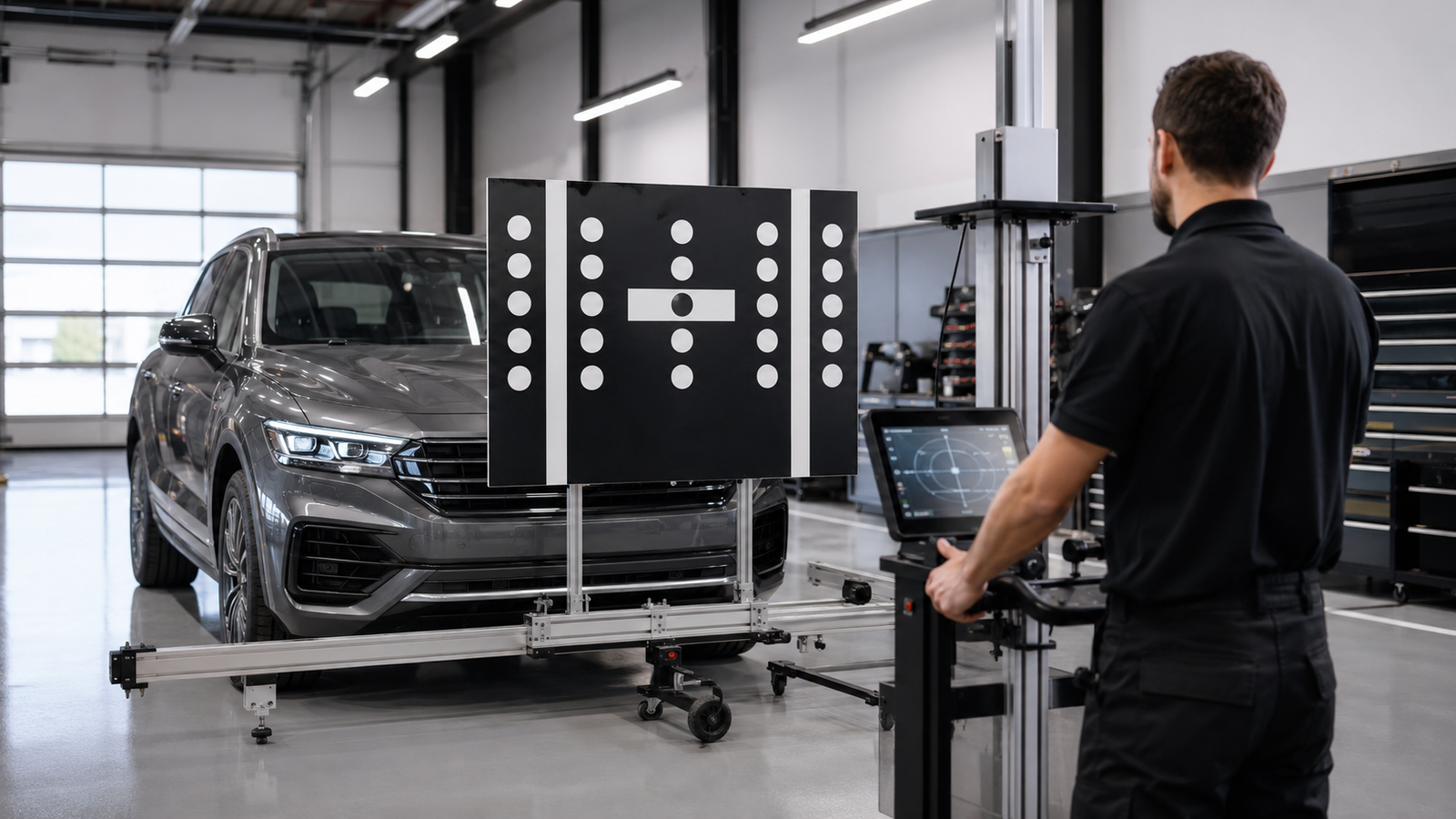
ADAS Calibration
Advanced Driver-Assistance System Calibration
Modern vehicles may use cameras, radar units, ultrasonic sensors, and other components to support safety and driver-assistance features. These systems depend on accurate sensor positioning and calibration.
A collision, windshield replacement, suspension adjustment, wheel alignment, bumper removal, or sensor replacement can change the way an ADAS component is positioned. Even a small change may require calibration before the system can operate as intended.
Lakewood Collision LLC helps ensure that required calibrations are identified and completed as part of the repair process.
Systems May Include
Forward collision warning
Automatic emergency braking
Lane departure warning
Lane keeping assistance
Adaptive cruise control
Blind spot monitoring
Parking assistance
Surround-view camera systems
Traffic sign recognition
Calibration Process
Identify the ADAS systems installed on the vehicle
Scan for diagnostic trouble codes
Inspect sensor and camera mounting positions
Confirm related repairs and alignment are complete
Perform static or dynamic calibration as required
Clear applicable fault codes
Complete a post-calibration system check
Calibration requirements vary by vehicle manufacturer, model, equipment, and completed repair. Some vehicles require both static calibration in a controlled environment and dynamic calibration while driving.
Does Your Vehicle Need Calibration?
Contact Lakewood Collision LLC after a collision, windshield replacement, bumper repair, or sensor replacement to determine whether ADAS calibration is required.
Frequently Asked Questions
What does ADAS mean? +
ADAS stands for advanced driver-assistance systems, such as cameras and sensors that support safety features.
When is ADAS calibration needed? +
It may be needed after glass, bumper, structural, suspension, alignment, or sensor-related repairs.
Can I skip required calibration? +
Skipping required calibration can leave safety systems inaccurate or unavailable.